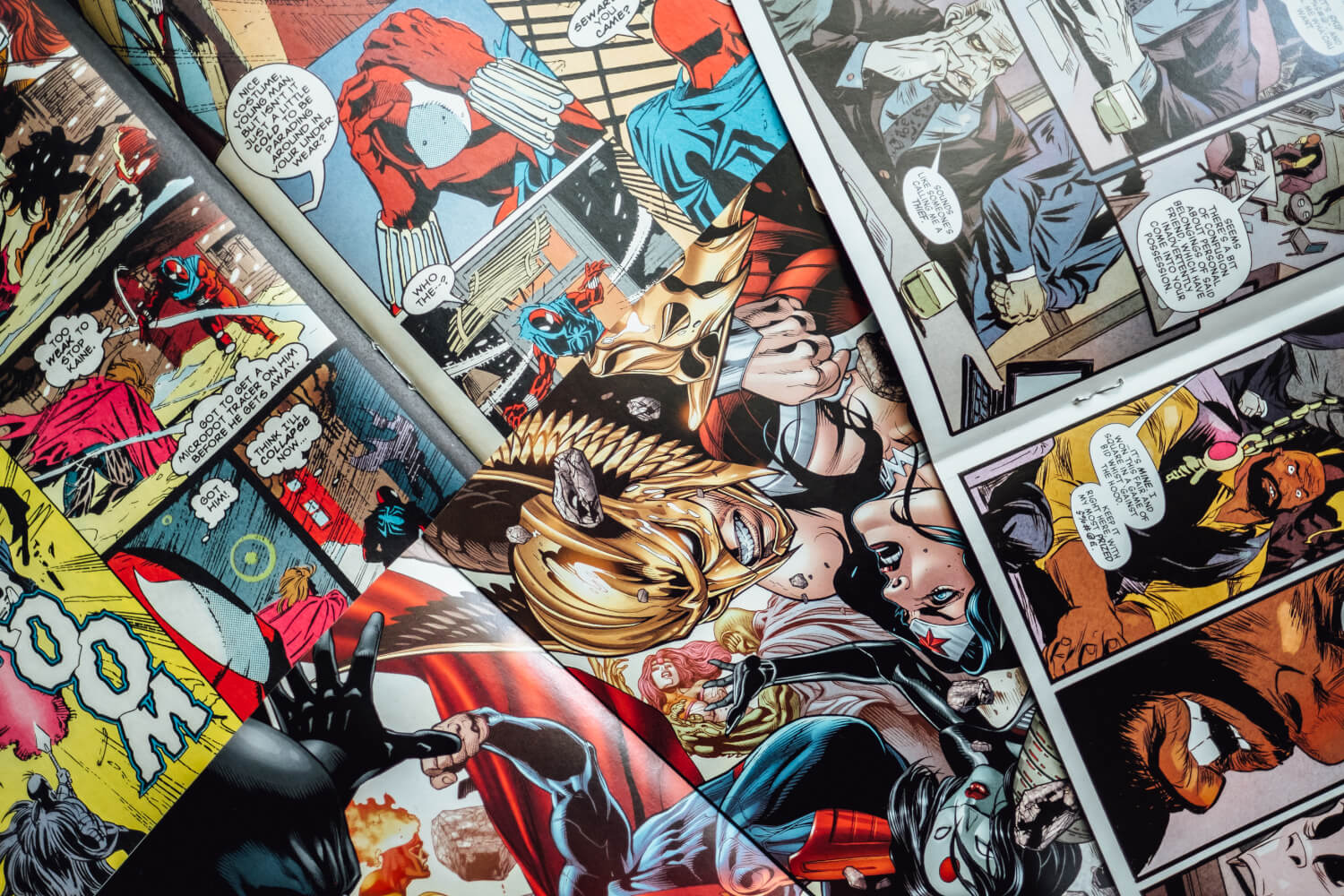
Spotting a good comic book can be a little subjective—what one person loves, another might not—but there are key elements to look out for when evaluating a comic’s quality. Whether you’re a seasoned comic book aficionado or just starting out, these guidelines can help you find something worth reading.
1. Strong Storytelling
A good comic book starts with a compelling narrative. This includes:
- Well-defined plot: The story should have clear stakes and a strong sense of direction. Whether it’s a one-shot issue or part of a larger arc, the plot should feel purposeful, drawing the reader in.
- Pacing: Comics have to balance narrative structure with visual storytelling. A good comic knows how to pace itself between action scenes, dialogue-heavy moments, and quieter, reflective pages. Too slow, and it feels like a drag. Too fast, and you miss out on nuance.
- Character development: The best comics allow characters to grow, evolve, or reveal new sides to themselves over time. Are the characters interesting, relatable, and multi-dimensional? Do their actions make sense within the story?
2. Artwork That Compliments the Story
Comics are a visual medium, so art is just as important as the writing. Here’s what to look for:
- Expressive, clear art: The artwork should convey emotions, action, and setting. Good comic art communicates tone—whether it’s the dynamic action scenes of a superhero comic or the dark, moody atmosphere of a horror or noir story.
- Effective panel composition: Look for flow in how the panels guide your eye through the story. A skilled artist knows how to lay out panels in a way that makes the reading experience smooth. Pay attention to panel size, angle, and motion. Does the layout amplify the action or emotion?
- Consistency in style: The art should be consistent throughout the comic book. This doesn’t mean the artist has to draw in the same style for every character or scene (though some comics do this stylistically for effect), but the transitions between action and dialogue should feel seamless.
3. Unique Visual Style or Art Direction
A good comic book often stands out due to its unique artistic flair. Look for:
- Innovative use of color: The color palette can be just as important as the linework. Some comics use muted tones to reflect mood, while others embrace bright, eye-popping colors. How do the colors support the tone of the story? Does the colorist use contrast to emphasize emotional moments?
- Distinctive character designs: Even if the artist doesn’t create every new hero or villain, good character designs are memorable. Does each character stand out visually and have a style that fits with their personality or role in the story?
- Stylized backgrounds or settings: Often, the setting can make or break a comic. Is the world-building strong enough that you feel immersed in the environment? Are the locations drawn with enough detail to feel real, even if they are fantastical?
4. Dialogues & Writing That Feel Natural
Great writing can elevate a comic to the next level, and this doesn’t just mean witty one-liners. Here’s what to look for:
- Strong dialogue: The best comics have dialogue that feels natural, engaging, and true to each character. Does it feel like the characters are having conversations, or are they just delivering exposition? Great dialogue makes the world feel alive.
- Subtle subtext: The best comics often leave something for the reader to interpret. Look for layers in the writing. Maybe a character’s actions are at odds with their words, or they say something that feels ironic in the context of the plot. Good writing creates moments that stay with you after you finish the book.
- Effective use of narration: In some comics, a narrator or voice-over adds depth. A well-used narrative voice provides a unique lens through which we view the story. It can help set the mood or explain background info without feeling too heavy-handed.
5. Consistent Tone and Genre Appeal
What makes a comic “good” often comes down to its ability to maintain a consistent tone throughout. Depending on what you’re looking for, ask:
- Does the tone match the genre?: If you’re reading a superhero comic, the tone might be action-packed or heroic, while a slice-of-life comic might have a quieter, more introspective feel. A good comic knows its genre and delivers the type of experience you’d expect without feeling out of place.
- Genre blending: Look for comics that take risks by blending genres. Some of the best comics mix sci-fi, horror, and fantasy, or blend superhero stories with emotional drama. A good comic elevates its genre and pushes boundaries.
6. Thematic Depth and Subtext
A good comic book often explores deeper themes beneath its surface narrative. Here’s what to look for:
- Meaningful themes: Does the comic explore social issues, personal struggles, or moral dilemmas? Whether it’s an exploration of power dynamics in superhero comics or identity in indie graphic novels, the best comics say something that resonates with readers on a deeper level.
- Subtext and metaphor: Great comics use their narrative to speak on broader ideas through metaphor or allegory. X-Men is a classic example, using mutants as a metaphor for marginalized groups. Does your comic have something to say beyond the obvious plot?
7. Longevity and Impact
While standalone comics can be incredible, many great comics leave a lasting impression on the medium itself. Ask:
- Cultural impact: Has the comic influenced pop culture? A comic that goes on to inspire films, TV series, or other works of art often reflects a high level of quality.
- Character and story arc significance: Does the comic contribute something meaningful to a larger, ongoing storyline or universe? Does it introduce iconic characters or moments that stick in the public imagination?
**8. Accessibility
If you’re new to the medium, a good comic should feel approachable, without requiring you to read years of backstory. Look for:
- Self-contained stories: While many comics are part of long-running series, some are designed as standalone issues or miniseries. These comics allow new readers to dive in without needing years of continuity knowledge.
- Clear storytelling: Whether the comic is a complex epic or a short, punchy story, good comics know how to clearly tell their story without overloading the reader with unnecessary details.
Final Thoughts
Ultimately, a good comic book combines engaging characters, dynamic art, and strong storytelling. Whether it’s a superhero comic or an indie graphic novel, the most important factor is that it resonates with you as a reader. Keep these elements in mind as you explore the world of comics, and you’ll find that there’s a wealth of material out there that’s waiting to make an impact on you.
Leave a Reply